Summary
Every Dungeon Master fears the dreaded question, “what’s their name?” Whether it’s a random goblin that you have to try and not call something funny like ‘Boblin The Goblin’ or some gruff blacksmith who you’re trying not to give the most generic Dwarf name ever, you probably are trying to figure out good ways to come up with names forDungeons & DragonsNPCs, especially when you haven’t planned it.
However, we have just the right tips that will leave your players impressed with just how quickly you can come up with names on the fly. This will also help ensure you don’t havethat random NPCget a silly name that will leave you cringing after a session.

8Come Up With Naming Conventions
Names In Real Life Often Have Conventions Based On Nation, History, Religion And More
This is just good world-building, but it’s also helpful to come up with naming conventions. In the real world, many cultures have unique names linked to their culture, whether due to geography, language, or a combination of different factors. Look up names of the real world and adapt that to your NPCs; for example, if a random stranger is a High Elf, perhaps High Elves in your world tend to have Greek-inspired names.
It can really help you in the long run and is just great for your worldbuilding as it makes the world and the different species and nations in it feel like they have some sort of culture, too.

7Keep A List
The best tip we can give you is that you should just keep a list of names with you. Just write down some cool names, and then whenever someone is asking you for the name of an NPC, refer to your list and pick one out that sounds right to you or just at complete random.
Don’t be afraid to use this in other circumstances, such as businesses, guilds, and villages, as you’re able to easily keep separate lists for all of these and use them whenever a player is wondering about the name of a tavern and its owner.

6Use Name Generators
There Are Plenty Of Sites That Are Great Name Generators
But perhaps you’re having issues just having any names to put on a list at all, which is whereFantasy Name Generatorcomes in. The site offers dozens of different naming conventions, whether for a chivalric order of knights or specific names for different species in Dungeons & Dragons, from half-orcs to tieflings.
If you can’t come up with any names at all, you can always use the site to pop some names up on the screen and then write them down on your different lists later. If you’re playing online or DM with a laptop or tablet, you can even open this site in the background for easy use.

5Lean Into Funny Names
Don’t Be Afraid To Inject Some Humour In Your Game
It may sound silly, but sometimes people do have silly names, and the last thing Dungeons & Dragons needs to be is realistic. Don’t be afraid to come up with silly comedic names. Not every NPC will have a proper name; some will rely on nicknames and pseudonyms that can be comedic jests.
If you have generic names for every single random NPC, it can make them a lot more forgettable. Chances are, if your players ask for the name of an NPC, it’s because they think they’ll refer to them or come back another time, which means the last thing you’ll want is for them to be generic.

4Don’t Spend Too Long
Names Are Important But They’re Not That Serious
Yes, names can be important, and it can be a lot of sudden pressure when you’re asked for the name of a random NPC and don’t have one, but an important thing to remember is you really shouldn’t spend too long and stress out about it. There arefar more important thingsfor a Dungeon Master to focus on, and the name of every villager and village in a nation isn’t one of them.
Make sure you use these methods and other ways to quickly come up with names, and remember that you don’t have to get too worried about what names you come up with.
3Use The Handbooks
They Have A Ton Of Names In There For You To Use
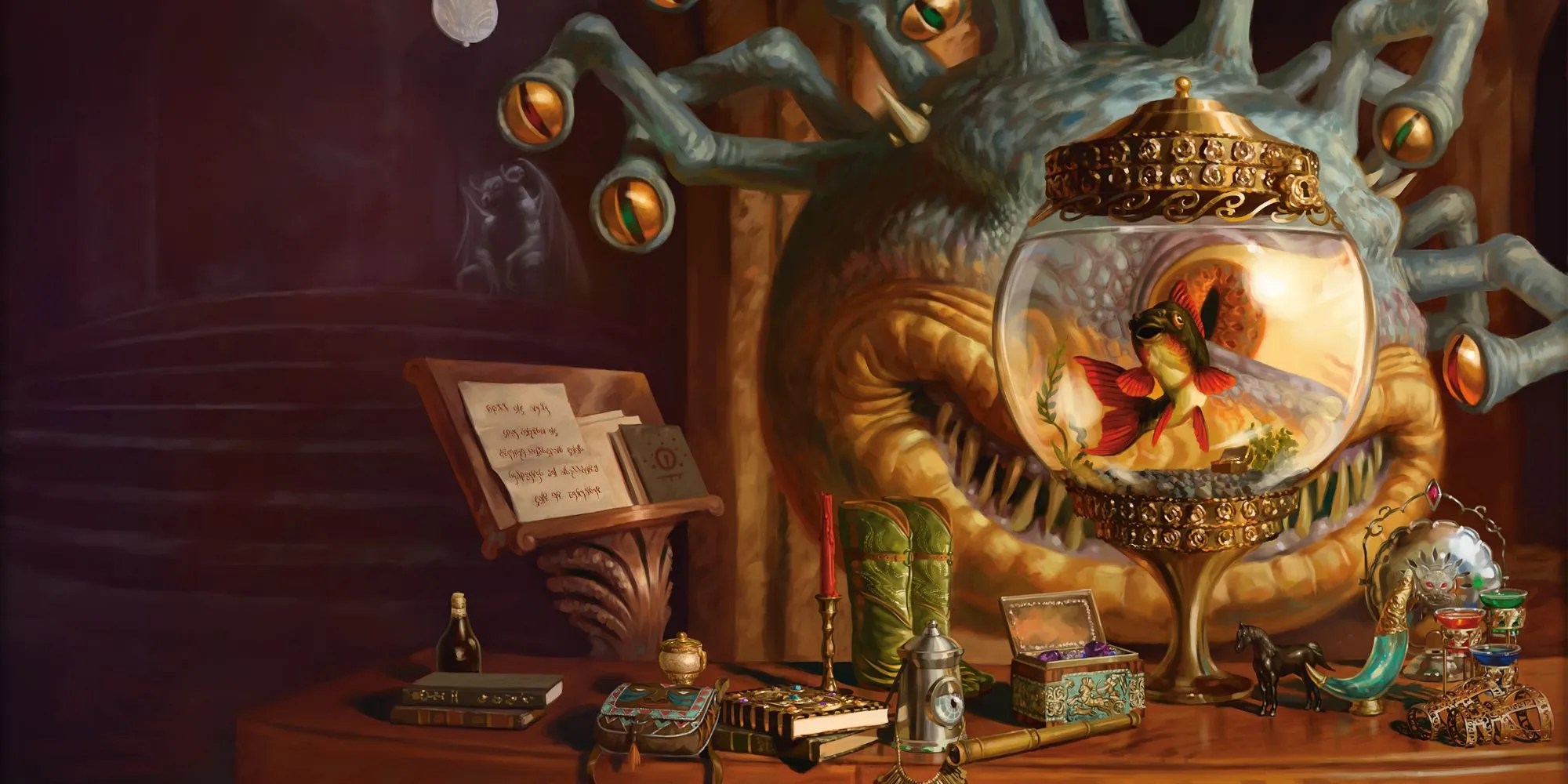
Did you know that the Player Handbook for Dungeons & Dragons actually suggests names for you? If you look at the different species, you will see a list of suggested names, and Xanathar’s Guide To Everything actually has a very neat appendix at the back of the book, which has pages full of different names categorized into tables.
Be sure to use these suggested names, too, as there are plenty to use, and it’s very helpful if you’re looking for something that might be from a more official source. Either way,official handbooks can help you outa lot.

2Use Jobs For Surnames
Your Party Is Gonna Likely Refer To Npcs By Their Job Title Anyway
We all know that certain surnames like Smith or Fletcher come from the jobs of our ancestors, so why not use a similar naming scheme for some of your characters? If you’re struggling with surnames too, then occupations make sense, such as Hedge, to perhaps refer to someone descended from hedge mages.
It may be a bit generic, but surnames can be a struggle, too, and this can be a fun way of using magical occupations, from an alchemist to a Cleric, to come up with unique surnames.

1Google Translate
Just Take Names From Other Languages
If you’re still really struggling with coming up with names, then there’s one thing you can always do, which is to just take names from other languages. It’s a fantasy world, so having names like Tempus can fit into the world, even if it’s just the word time translated from Latin.
you’re able to look up different languages and translate words that can form the basis for some name or even just be a perfect name itself. Our suggestion would be older languages, such as Sanskrit or Latin, for some beautiful-sounding names.
